MMACHC knock-out in Medaka

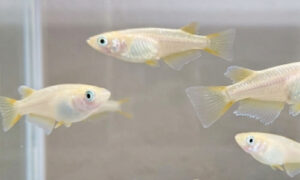
The project is a collaboration between the TIGEM (Telethon Institute of Genetics and Medicine, Pozzuoli), DISMET (Department of Translational Medical Sciences – Federico II University, Naples) and OPBG (UOC and Research Unit for Metabolic Diseases – Bambino Gesù Children’s Hospital, Rome) groups and aims to develop an animal model of cblC in medaka fish in order to allow the characterization of particularly debilitating manifestations of cblC (e.g. retinopathy) and their pathophysiology.
The ultimate goal of the research is to improve understanding of the disease and identify potential new therapeutic options that can improve the management and quality of life of patients.

The experimental plan will be conducted thanks to the collaboration of the three institutions, each with specific expertise for the implementation of the different phases of the project:

  • The first phase will be conducted by TIGEM, where a service directed by Dr. Ivan Conte is available, with specific previous experience in the development and staging of Medaka models, and will consist of the actual generation of the Medaka model of the disease.
  • The second phase of the project will focus on the metabolomic and proteomic analysis of the animal model tissues and will be developed at the OPBG laboratories, where state-of-the-art equipment and specific experience for this type of analysis are available.
  • The third phase involves analyzing the microRNA expression profile in specific tissues and whole homogenates of the animal model. This analysis will be conducted at DISMET and TIGEM and may provide insights into the possible dysregulation of cellular pathways secondary to the biochemical abnormalities present in the disease, enabling the identification of potential new therapeutic targets.
  • The fourth and final phase of the project will focus on the study and manipulation of cellular pathways. This analysis will be developed at DISMET and TIGEM, where similar studies have been conducted for other inborn errors of metabolism. In particular, pathways such as oxidative stress and autophagy (as a potential mechanism for correcting oxidative stress) will be studied.

Study concluded with the creation of the animal model